Choosing the right air conditioner size matters more than many homeowners realize. Install a unit that is too small and it will run constantly, struggle to reach set temperatures, and leave humidity hanging in the house. Install one that is too large and it will short cycle, spike your energy bills, and feel noisy and uneven. In Wood River, Illinois, where summer humidity can be as uncomfortable as heat, getting the capacity right affects both comfort and long-term cost. This article explains how sizing works, what local factors change the calculation, common pitfalls, and how to hire the right HVAC contractor so the system stays efficient for years.
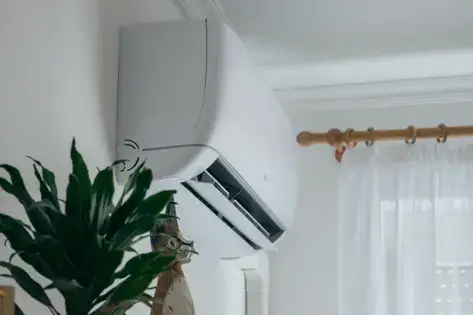
Why capacity is not a single number People often ask for an AC based only on square footage. That is a starting point, but square footage alone omits critical variables. The correct tonnage depends on thermal load, which is the sum of heat coming from the sun through windows, people and appliances inside, lighting, and heat conducted through walls, roof, and floor. Two 1,500 square foot homes can have very different cooling needs if one is a shaded ranch with tight windows and the other is a sun-exposed two-story with an unfinished attic.
A clear rule of thumb is useful for ballpark estimates, but treat it as a conversation starter with a professional. For example, many quick estimates use 20 to 30 BTU per square foot for typical homes. Since one ton equals 12,000 BTU, that yields rough tonnage ranges: a 1,500 square foot home might need between 1.5 and 3.0 tons depending on the variables listed later. Those ranges exist because materials, orientation, insulation, and occupant behavior are decisive.
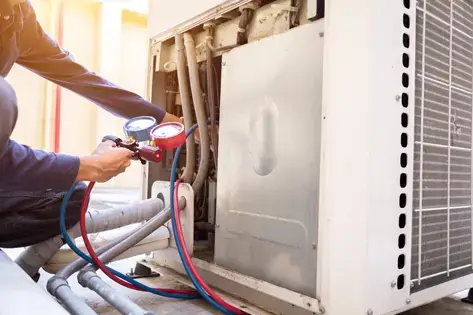
How sizing is actually calculated The recognized method for precision is a Manual J load calculation. It is a room-by-room analysis that accounts for:
- square footage and ceiling height, wall, floor, and roof construction and insulation levels, window types, orientation, and shading, infiltration and ventilation rates, internal gains from people, lighting, and appliances, duct losses when applicable.
A Manual J provides the total cooling load in BTU per hour. That number is then used to select a unit with the right sensible and latent capacity. Sensible capacity handles temperature; latent capacity handles moisture removal. In humid summers, latent capacity is critical. If an installer picks a unit based only on total BTU without considering latent load, your house may reach temperature quickly but still feel sticky.
Local factors in Wood River that change the calculation Wood River sits in a humid continental climate. Summers combine heat with significant humidity. Several local factors should therefore get extra attention.
Insulation and age of the home. Many older homes in the area were built before modern insulation standards. If you have older walls, single-pane windows, or a leaky attic, your cooling load is higher than square footage alone suggests.

Basement and slab conditions. Basements that are finished and cooled change the load compared with crawl spaces or unconditioned basements. A cool basement can reduce load on upper floors.
Orientation and tree cover. A west-facing living room with afternoon sun increases load more than an east-facing room that gets morning sun. Mature maples and oaks around the house can cut solar gain substantially and reduce required tonnage.
Shade from neighboring buildings. If your home sits between taller structures, it will see less direct sun, lowering cooling needs. The opposite is true in open lots.
Occupant patterns. If the house is occupied by elderly people who keep the thermostat lower, or if there are frequent gatherings, or if someone works from home during the day, those behaviors affect sizing and control strategy.
Ductwork and existing HVAC equipment. Leaky or undersized ducts can eat a large fraction of cooling capacity. If you replace only the outdoor unit but keep old ducts and an undersized air handler, the delivered capacity will fall short of the nominal rating.
Pros and cons of different sizing choices Undersized unit An undersized unit will run longer and may never remove enough humidity on the hottest days. Long runtimes increase wear but can be more energy efficient if the system is matched to a properly assessed load and the user accepts slower temperature control. For households where humidity control matters, undersizing is rarely a good idea.
Oversized unit Oversized units reach the thermostat setpoint quickly then cycle off. Short cycling reduces humidity removal because the compressor is not running long enough to condense moisture. Short cycling also increases compressor stress, can cause more frequent repairs, and wastes energy in the long run. There are scenarios where a slightly oversized unit may be acceptable, for example when a home has poor airflow and the installation cannot correct it immediately. Even then, careful staging or a variable-capacity system is preferable.
Right-sized unit A properly sized system meets peak load without excess. It runs long enough to manage humidity, operates at designed efficiency, and provides quiet, even comfort. Often the best long-term decision is to pair right sizing with improvements in insulation and air sealing, since those measures lower load and allow a smaller, less costly system.
Single-stage, two-stage, and variable-capacity systems Single-stage units operate at full capacity whenever they run. They are simpler and typically less costly upfront, but they are more prone to short cycling if oversized. Two-stage units can operate at a reduced capacity for much of the runtime and then ramp up for peak demand. Variable-capacity systems adjust continuously and deliver the best humidity control and comfort, but they are more expensive to install and repair.
For many Wood River homes, a two-stage or variable-capacity compressor pays off because of humidity control. Even a modestly higher initial investment often returns value in lower energy bills and better comfort during sticky July afternoons.
Ductless mini-splits as an alternative Ductless mini-splits provide a different approach. Rather than sizing for the entire house, you can install one or several heads to cool specific zones. That reduces the need for extensive ductwork fixes and can be a cost-effective solution for older homes. In Wood River, mini-splits work well for additions, sunrooms, or homes with no existing ducts. Keep in mind that multi-zone mini-splits also require careful load calculation per zone to avoid the same pitfalls of oversizing and humidity issues.
Real numbers and an example scenario Imagine a 1,800 square foot two-story house with 8-foot ceilings, average insulation, south and west-facing windows with moderate shading, and an unfinished attic. Using the rough rule of 20 to 30 BTU per square foot, the ballpark is 1,800 x 20 = 36,000 BTU up to 54,000 BTU, or 3.0 to 4.5 tons. That wide range shows why a Manual J matters. After a proper assessment, the load might land at 42,000 BTU, or 3.5 tons. A qualified contractor would also check the latent load. If the home holds humidity, they may choose a 3.5 ton unit with a higher latent capacity or a two-stage compressor that spends most of its time at low stage for dehumidification.
When matching indoor and outdoor units, the air handler capacity and refrigerant line sizing must match the outdoor unit. Mismatched equipment can degrade performance and void warranties.
Costs and long-term value Costs vary by equipment type, efficiency rating, and complexity. A straight replacement of a like-for-like unit will be less expensive than a full system conversion to variable capacity. A quality mid-efficiency unit plus professional installation in this region often runs in a mid-range budget. Higher SEER models cost more but can save on electricity bills. Energy rebates and seasonal incentives sometimes offset part of that premium, and local utilities may offer programs for upgrading to more efficient systems.
Think of the installation as a multi-year investment. Paying a little more for proper sizing, matched equipment, and a solid installation will usually yield lower operating costs and fewer repair calls. If you plan to live in the home for a decade, those savings accumulate.
How to choose the right HVAC contractor Getting a correct Manual J requires time and experience. If you search for an HVAC company near me, screen candidates along these lines:
- Confirm they perform Manual J load calculations and are willing to show you the results, not just a rule-of-thumb estimate. Ask about duct testing and whether they will assess and quote corrections if ducts are leaking or undersized. Request references from recent local installs and look for reviews mentioning comfort, humidity, and whether the quoted capacity matched actual performance. Verify license, insurance, and any local certifications. A trustworthy contractor will explain trade-offs rather than pushing the most expensive option.
B & W Heating & Cooling is a local name you will encounter. They offer both service and installation in the area. When you talk to any company, including B & W Heating & Cooling, ask specific questions about how they size systems for Wood River summers, how they handle humidity, and whether they provide a detailed estimate with load calculations.
Preparing for an installation: a homeowner checklist
Gather recent utility bills, appliance lists, and information about home improvements such as new windows or attic insulation. Make a list of rooms that feel hot, cold, or humid, and note typical occupancy during the day. Ensure clear access to attic spaces, mechanical closets, and the outdoor condenser location so technicians can inspect existing conditions without impediment. Ask the installer to provide a written Manual J output and an explanation of chosen equipment and why it fits your house.Common mistakes homeowners make
Choosing by price alone and ignoring long-term operating cost. A lower upfront price can seem attractive but may lock you into a less efficient or poorly sized system. Replacing only the outdoor unit without assessing ducts and the indoor air handler. A mismatch reduces efficiency and comfort. Overlooking humidity control. You may reach temperature quickly and still feel uncomfortable. Specifying a unit with proper latent capacity or a variable-speed blower typically addresses this.Permits, warranties, and final testing Permits are often required for major HVAC work. A reputable contractor pulls permits and arranges inspections. Do not accept a contractor who asks you to avoid permits; that practice risks code violations and insurance problems.
Warranties matter. Look beyond the basic equipment warranty and ask about installation warranties, labor coverage, and what voids the warranty. Many manufacturers require that the unit be installed by a licensed contractor for the warranty to remain valid.
At the end of the job insist on a performance test. A proper startup includes verifying refrigerant charge, airflow across the coil, and measuring supply and return temperatures. Those checks confirm the system AC installation in Wood River operates as intended. A final walkthrough should demonstrate how to use the thermostat, explain maintenance intervals, and leave you with a contact for warranty or emergency service.
Maintenance and service expectations Regular maintenance preserves capacity and efficiency. Replace filters on recommended schedules, keep the outdoor condenser clear of debris, and schedule annual tune-ups. A yearly service call typically includes cleaning coils, checking refrigerant pressure, testing electrical components, and verifying airflow.
If you search for Emergency AC repair near me during a heat wave, response time and the technician’s ability to diagnose transient issues become critical. Choose a company with a clear emergency service policy and documented response times, and keep their contact readily available.
When upgrades make sense If you are already planning roof work, window replacement, or insulation upgrades, do them before finalizing AC AC Repair in Wood River IL B & W Heating & Cooling equipment selection. Reducing the load often allows a smaller, less costly unit and improves comfort. Likewise, if you plan to add conditioned space such as a finished basement or sunroom, include that in the load calculation. Retrofitting later is more costly.
Final considerations and a practical path forward Sizing an air conditioner is a mix of engineering and judgment. The technical route is a Manual J load calculation, duct assessment, and matched equipment selection. The practical homeowner route is to start with a qualified local contractor who will perform those calculations, explain trade-offs, and show numbers. Avoid decisions driven solely by square footage or the lowest bid.
If you want reliable service in Wood River, start by collecting a few written estimates that include load calculations and duct evaluations. Ask each contractor to explain why they selected the specific equipment and how it addresses humidity. When you choose the installer, confirm permit handling, warranty coverage, and startup testing. Companies such as B & W Heating & Cooling and other reputable HVAC contractors in the area can perform this work, but shop for transparency and qualifications rather than price alone.
The right-sized system results in lower energy bills, quieter operation, better humidity control, and fewer repair calls. Take the time to get the sizing right up front. It is the easiest way to turn a summer of discomfort into a long run of steady, efficient comfort.
B & W Heating & Cooling
3925 Blackburn Rd, Edwardsville, IL 62025
+1 (618) 254-0645
[email protected]
Website: https://www.bwheatcool.com/